Zarina Hashmi’s Letters from Home became a key reference point in this project. Her work, shaped by displacement after the India–Pakistan partition, expresses cultural homelessness through sparse maps, Urdu letters, and the ache of a home that no longer exists. Zarina’s practice resists any singular cultural identity; instead, it lingers in the in-between, revealing how memory, exile, and loss unsettle the notion of belonging. Her maps are acts of mourning — fragments of places she can no longer return to.
My project, Amalgamation, responds from the opposite emotional register. As a Third Culture Kid born in Germany, raised in Indonesia, and shaped by a Chinese diasporic household, I share Zarina’s sense of being formed by multiple worlds. But unlike her experience of dispossession, I began with no singular “home” to lose. My identity emerged not from rupture, but from accumulation — adopting pieces of each place I lived in.
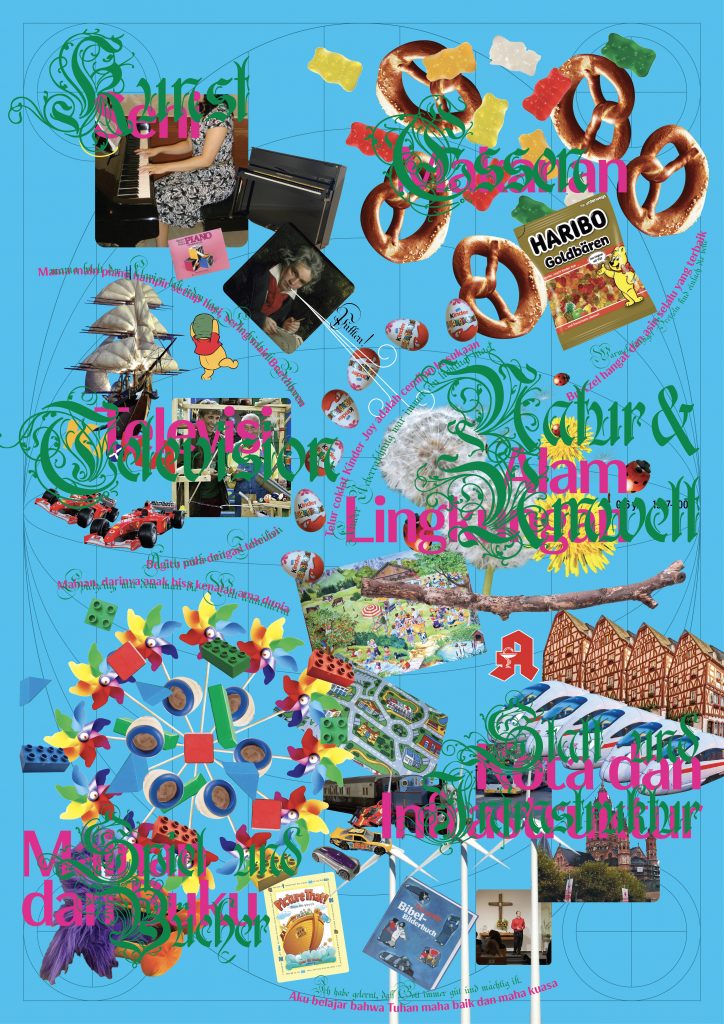
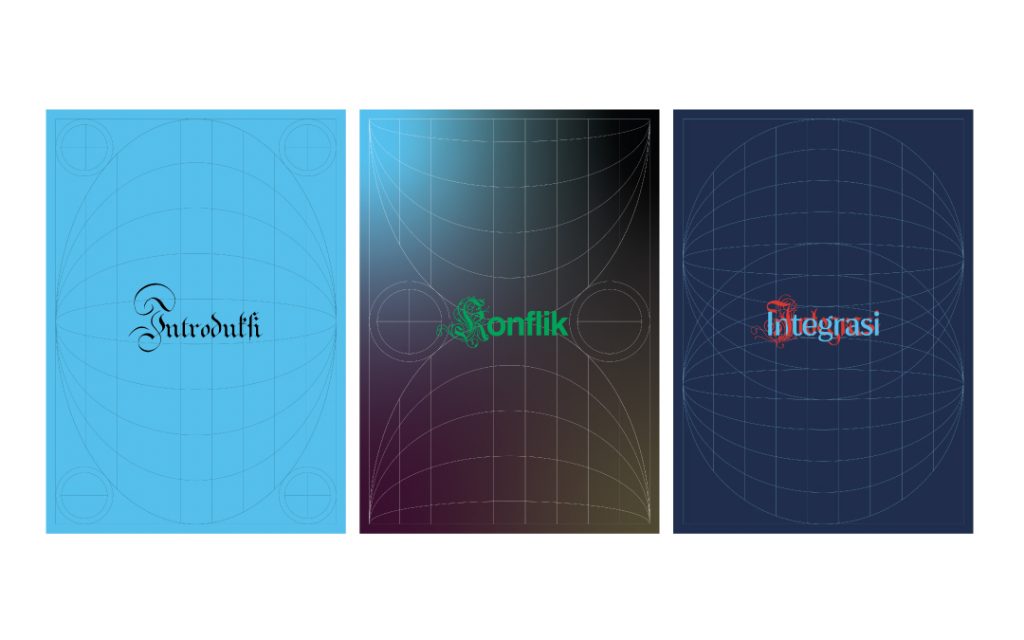
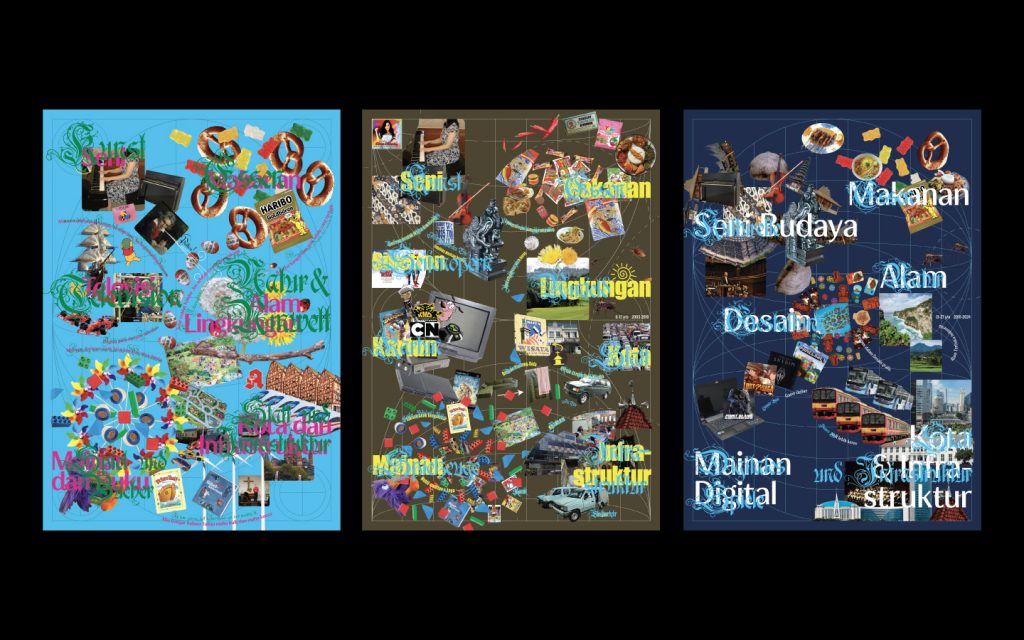
Where Zarina maps absence, I map construction. I chart the objects I grew up with across three life stages — Germany, arrival in Indonesia, and eventual integration — revealing identity as a shifting topography of influences, conflicts, and adaptations. These objects act as coordinates of hidden values, showing how identity forms through the interplay between the external (culture, environment, belongings) and the internal (beliefs, meaning, memory).
Both practices acknowledge the instability of belonging, but diverge in tone: Zarina highlights fragmentation, while Amalgamation seeks coherence by re-weaving fragments into relationship. My project proposes that identity is dynamically shaped by culture yet held together by deeper beliefs and values. If what we value is tied to what we ultimately believe, then identity may be sustained by something transcendent — whether understood spiritually, philosophically, or culturally.
Ultimately, this work asks:
Can mapping become a tool to reveal how identities form, collide, and integrate?
And can it help us see not only what we come from, but what we’re becoming?
(Summarized by Chatgpt) Full Essay Below


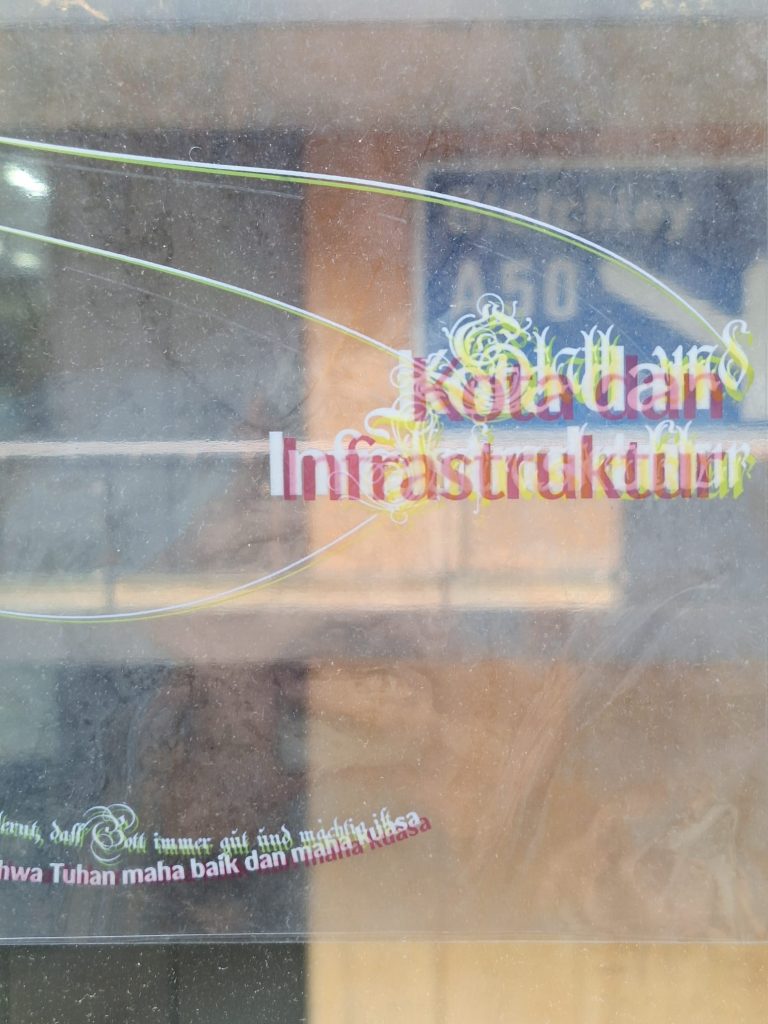
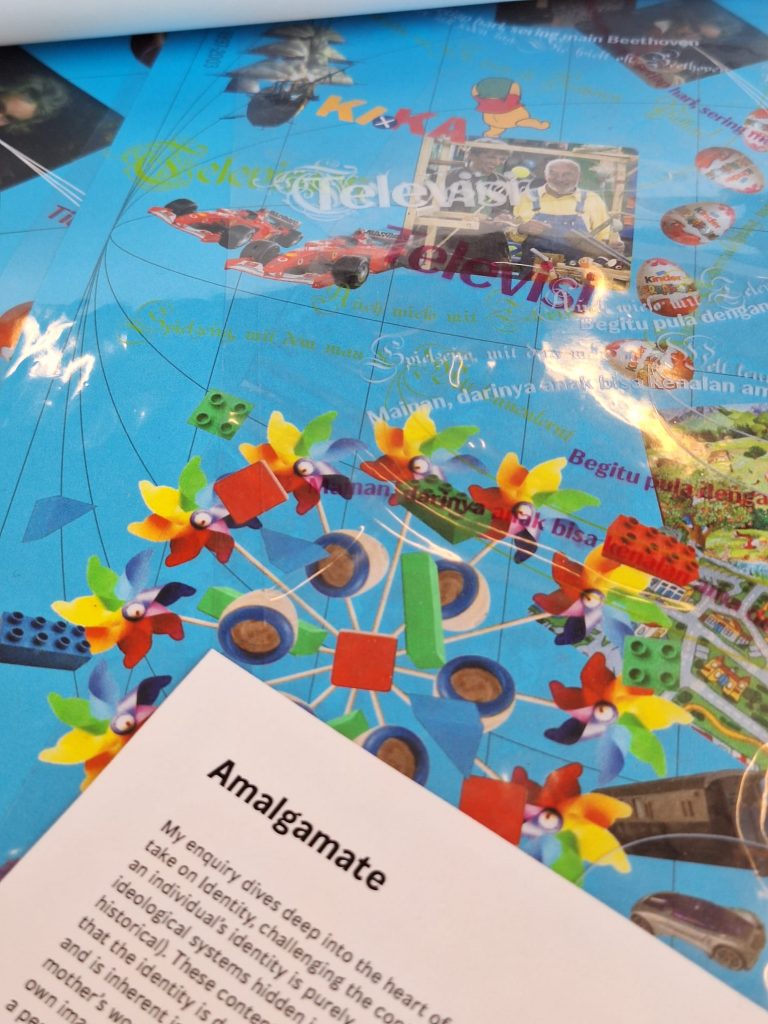
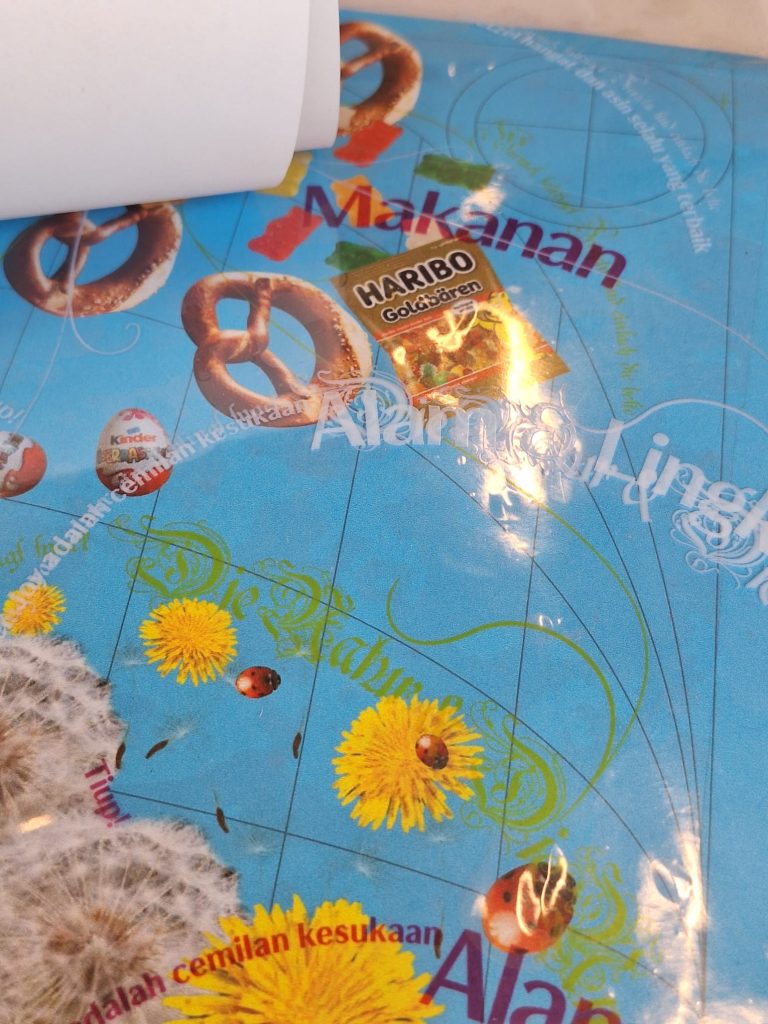
A film Acetate was tried to be the overlaying annotations on the object map. Its semi-adhesive properties on smooth surfaces might by interesting to explore in future iterations. Perhaps using glass or acrylic panes as material, it can be interchangeable much easier, or perhaps I could experiment with water as a medium, using its wavy dynamic nature, since the material is waterproof.